Anker vs Belkin Chargers: Which Is More Reliable in 2026?
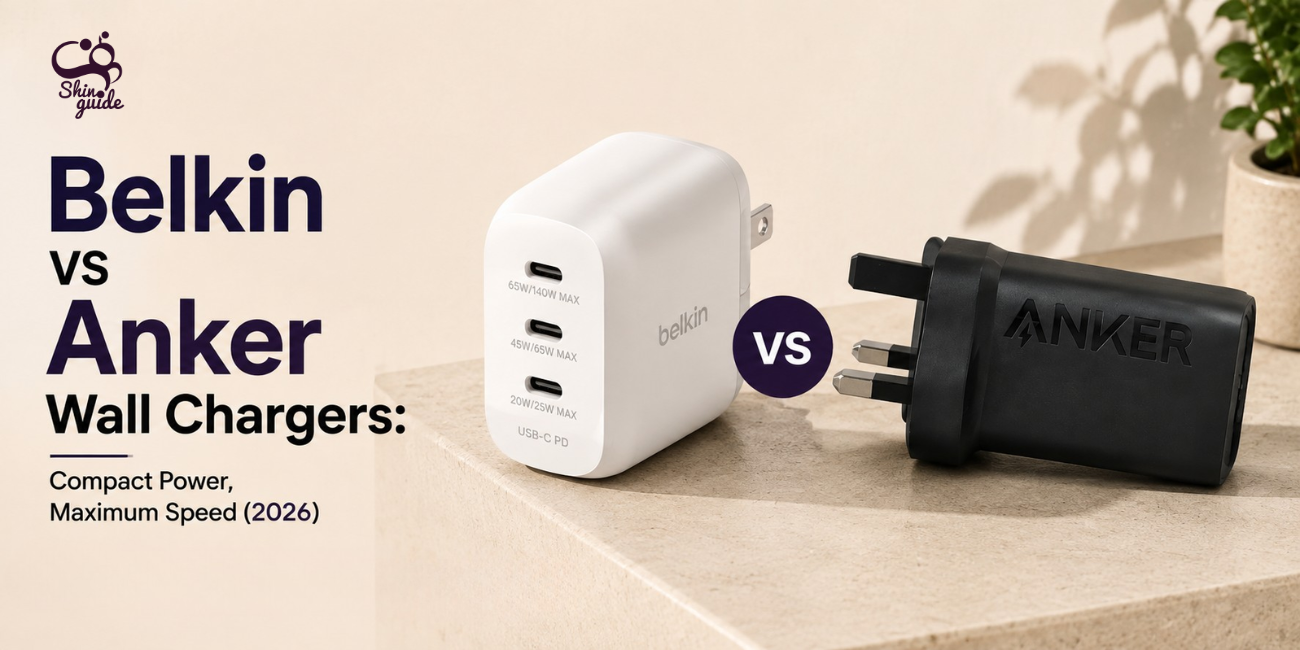
In 2026, fast charging is no longer the main selling point for USB-C adapters. Most modern chargers whether from Anker or Belkin can easily handle 30W, 65W, or even higher outputs. The real difference now comes down to reliability, heat management, safety systems and long-term durability. That’s exactly why the Anker vs Belkin chargers debate keeps coming up. Both brands are trusted, both charge fast, and both are widely used across smartphones, tablets, and laptops. But they take very different approaches to engineering and user experience. So which one is actually more reliable in real-world use? The answer depends on what you prioritize: performance flexibility or stable, certified charging behavior.
Best Offers Right Now
Before comparing them deeply, it’s worth understanding where the best value usually lies. Anker chargers are often discounted during tech sales and usually offer better value per watt, especially in GaN compact models. Belkin, on the other hand, is more commonly bundled with Apple accessories or found in premium retail deals rather than aggressive discounts. In simple terms, Anker is more often the “value deal,” while Belkin tends to sit in the “premium trust” category.
Why Anker and Belkin Dominate Charger Market
Anker and Belkin are both leaders, but they built their reputation differently. Anker focused heavily on innovation, introducing GaN technology early, improving thermal control systems, and optimizing charging efficiency across multiple devices. That’s why Anker chargers are popular among tech users who want compact, high-performance adapters that work across Android, laptops, and tablets. Belkin took a different path. Instead of chasing maximum performance features, it built its reputation around certification, safety standards, and Apple ecosystem compatibility. Many Belkin chargers are MFi-certified, which means they’re designed to meet Apple’s strict performance requirements.
So in simple terms:
- Anker is performance-driven.
- Belkin is stability-driven
Charging Speed and Real Performance
At the surface level, both brands are similar. A 30W Anker charger and a 30W Belkin charger will charge your phone at nearly identical speeds under ideal conditions. But real-world behavior is slightly different. Anker chargers tend to dynamically adjust power output using technologies like PowerIQ. This means the charger may slightly shift output depending on device temperature, battery level, and load distribution. This makes charging more efficient, especially when multiple devices are involved. Belkin chargers, in contrast, focus on stable output. They don’t aggressively adjust power, which makes charging feel more consistent and predictable. For users who prefer “set and forget” charging, this behavior feels more reliable. Neither approach is wrong it’s just different engineering philosophy.
Heat Management and Long-Term Reliability
Heat is one of the most important factors in charger lifespan, and this is where differences become more noticeable. Anker’s newer GaN chargers are designed to run significantly cooler than traditional silicon-based chargers. Many models include active thermal monitoring systems that constantly check internal temperature and adjust output in real time. This helps reduce long-term wear and improves safety under heavy load. Belkin chargers also meet strict safety standards, especially for Apple-certified products, but they generally rely more on standardized thermal design rather than aggressive cooling optimization. In long usage sessions like charging a laptop and phone simultaneously Anker tends to maintain lower heat levels more consistently.
Build Quality and Everyday Durability
Both brands offer strong build quality, but the feel is slightly different. Anker chargers are compact, functional, and designed for portability. They prioritize efficiency in a small footprint, which is why many of their GaN chargers are significantly smaller than older adapters. Belkin chargers often feel more “premium” in hand. The design is slightly bulkier in some cases, but finishing and material quality tend to lean toward a more polished retail product. In real-world usage, both are durable. The difference is more about design philosophy than actual reliability failure.
Safety and Charging Stability
Safety is where both brands perform well, but in different ways. Anker uses multi-layer protection systems that include temperature monitoring, over-voltage protection, and intelligent power distribution. This makes it especially reliable for users charging multiple devices or high-power laptops. Belkin focuses on certified safety standards, especially for Apple devices. This means you’re getting a charger that has passed strict compliance testing, but with less aggressive real-time optimization. In practice, both are safe to use daily. Neither brand is risky when purchased from official sources.
Real-World Considerations (Important)
One thing users often overlook is market authenticity. Anker products are widely copied in the market, especially in unofficial stores. Fake chargers can perform poorly, overheat, or fail early. This is one of the biggest risks associated with Anker—not the brand itself, but counterfeit availability. Belkin has fewer counterfeit issues due to tighter retail distribution, which makes it slightly safer for casual buyers who don’t want to verify authenticity.
Pricing and Value
Anker generally offers better value for money. You get newer technology, compact designs, and better thermal efficiency at a lower or similar price point. Belkin is usually priced slightly higher, but you’re paying for certification, brand trust, and Apple-focused compatibility.
So the value decision is simple:
- Anker gives you more features per dollar.
- Belkin gives you more brand assurance per purchase.
Pros and Cons
| Anker Pros | Anker Cons |
| Efficient charging performance across a wide range of devices | Counterfeit products can be an issue in some markets |
| Compact GaN charger designs save space and improve portability | Buyers should purchase from trusted sellers to ensure authenticity |
| Strong thermal management and safety features | Popular models may be difficult to find due to high demand |
| Wide product ecosystem covering nearly every charging need | Premium models can be more expensive than generic alternatives |
| Excellent balance of power, portability, and reliability | Warranty support may vary depending on the seller |
| Belkin Pros | Belkin Cons |
| Stable and reliable charging performance | Usually more expensive than comparable alternatives |
| Excellent compatibility with the Apple ecosystem | Charging technology is often less advanced than leading GaN competitors |
| Strong reputation for quality and safety | Fewer cutting-edge charging optimizations in some products |
| Lower risk of counterfeit products in most markets | Product selection can be narrower in certain categories |
| Widely trusted for accessories and charging solutions | Less focus on ultra-compact high-wattage charger designs |
Who Should Choose What?
If you use multiple devices, charge laptops, or want the most efficient modern charging technology, Anker is usually the better choice. It’s built for flexibility and performance-heavy usage. If you mainly use an iPhone, want predictable charging behavior, or prefer a “safe and simple” option without worrying about technical variations, Belkin is the more comfortable pick.
Final Verdict
So, in the Anker vs Belkin chargers comparison, there isn’t a single winner for everyone. Anker is more advanced, more efficient, and better suited for power users. It performs extremely well under heavy usage and benefits from modern GaN technology and better thermal control. Belkin is more stable, more predictable, and slightly more conservative in design. It fits users who prioritize consistency and Apple ecosystem compatibility over technical flexibility. In 2026, both are reliable but they serve different types of users.
Best Offers Reminder
If you’re deciding between them, focus on usage first, not just price.
- Anker is best for compact high-performance charging setups, especially if you use multiple devices.
- Belkin is best for simple, reliable charging with minimal setup concerns.
Seasonal tech sales usually provide the best discounts on both brands, especially on 30W to 65W USB-C models.
FAQs
Is Anker more reliable than Belkin?
Anker is more advanced in performance and thermal control, while Belkin is more stable and predictable for everyday use.
Which charger lasts longer?
Both last long when used properly, but Anker’s cooling efficiency can help extend lifespan under heavy use.
Is Belkin safer than Anker?
Both are safe, but Belkin emphasizes certified compatibility, especially for Apple devices.
Which is better for iPhone charging?
Belkin is slightly more optimized for Apple devices, but Anker works perfectly fine as well.
Why is Anker usually cheaper?
Anker focuses on performance-to-price value, while Belkin positions itself as a more premium, certification-driven brand.