Home Fitness Guide: Choosing the Right Peloton Equipment
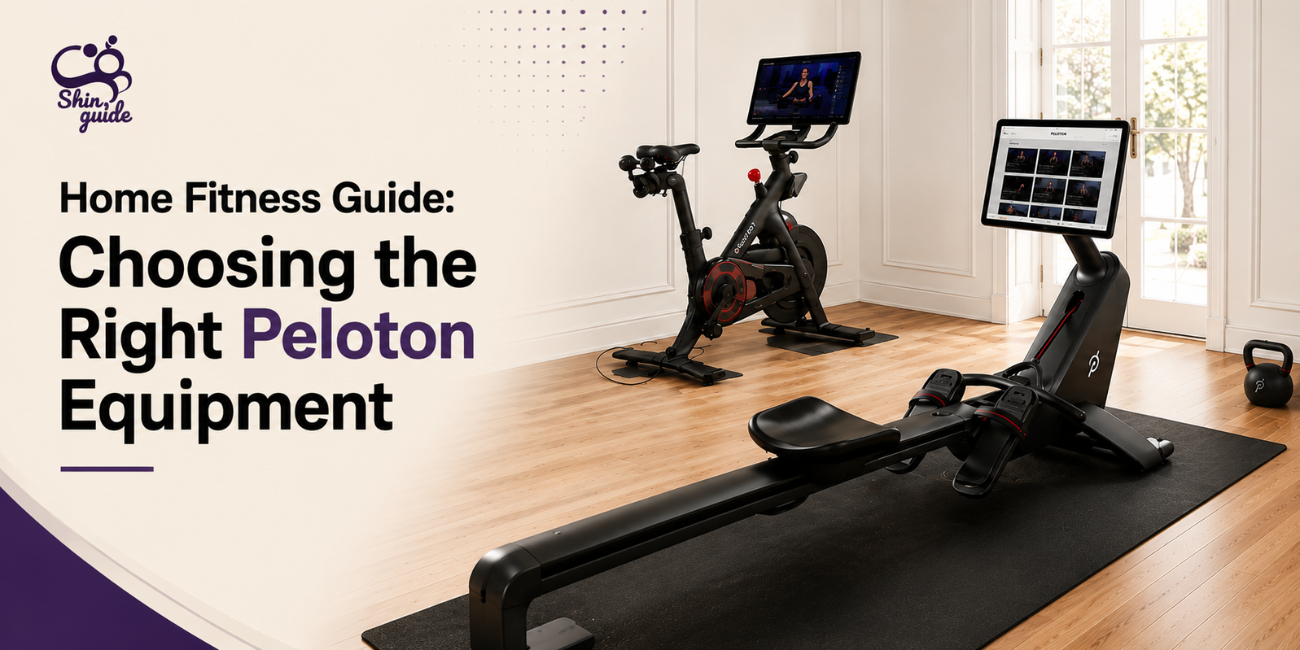
Building a home fitness setup with Peloton equipment can be a strong long-term investment, but only if you choose the right combination for your goals, space, and budget. Peloton is no longer just a stationary bike brand. It has grown into a complete fitness ecosystem that includes cycling, cardio, strength training, and guided workout programs. This guide breaks down what actually matters so you can choose the right Peloton equipment without overspending or ending up with the wrong setup.
Understanding the Peloton Ecosystem
Peloton is built around a connected fitness model where hardware and software work together. The system includes exercise equipment like bikes and treadmills, a subscription-based library of live and on-demand classes, and a performance tracking system that monitors your progress. The real value doesn’t come from the machine alone, but from the guided workouts and structured fitness programs. This is why Peloton is often considered more of a fitness platform than just workout equipment.
Peloton Bike vs Bike+
The Peloton Bike is the more affordable entry point into the ecosystem. It offers manual resistance control and a solid cycling experience, making it ideal for beginners or casual users who want simple indoor workouts without extra complexity. The Peloton Bike+, on the other hand, is a more advanced version designed for a fully interactive experience. It includes a rotating screen, auto-resistance adjustment, and improved audio quality. This makes workouts feel more guided and hands-free compared to the standard Bike. In simple terms, the standard Bike feels traditional and manual, while the Bike+ feels more automated and immersive.
Peloton Tread and Alternatives
Peloton also extends into treadmill-based fitness with the Peloton Tread, designed for walking, jogging, and running workouts. It includes interactive classes, incline control, and a large display for guided training sessions. It is ideal for users who want a full cardio experience at home rather than just cycling. However, it comes with a significantly higher price tag and requires much more dedicated space compared to the bike models, making it less suitable for smaller homes.
Accessories You Actually Need
While Peloton equipment works on its own, a few accessories can significantly improve your experience. Most users benefit from cycling shoes with clip-in pedals, a basic exercise mat for floor stability, and a heart rate monitor for better performance tracking. These essentials help improve comfort and workout consistency. Optional accessories like resistance bands, dumbbells, or phone mounts can be added later depending on your training style, but they are not required to get started.
Subscription and App Costs
One of the most important things to understand about Peloton is its subscription-based model. The monthly membership unlocks full access to live classes, on-demand workouts, and performance tracking features. Without it, the equipment loses much of its value, as most interactive features become unavailable. This ongoing cost is a key factor that buyers often underestimate when planning their fitness setup.
Space and Setup Considerations
Before choosing any Peloton equipment, space planning is essential. The standard Bike has a relatively small footprint and works well in apartments or compact rooms. The Bike+ uses the same base space but requires additional clearance for the rotating screen. The Tread, however, needs a dedicated larger area and is not ideal for small living spaces. It is also important to consider flooring protection, ventilation, and noise levels, especially if you live in shared or apartment environments.
Who Peloton Is Best For
Peloton is best suited for users who prefer structured, instructor-led workouts rather than self-planned routines. It works particularly well for people who need motivation, enjoy guided training programs, or want consistency in their fitness journey. It may not be the right choice for users who prefer gym-style flexibility, want a one-time purchase solution, or are not comfortable with ongoing subscription costs.
Pros and Cons of a Peloton Setup
| Pros | Cons |
| Highly engaging and structured workout experience | High upfront cost for equipment |
| Helps users stay consistent with fitness goals | Subscription required to access full features and content |
| Smooth, quiet and well-built equipment | Ongoing monthly costs can add up over time |
| Extensive class library with variety and motivation | Value depends heavily on regular usage |
| Strong sense of community and instructor-led guidance | Can feel expensive compared to simpler fitness alternatives if used infrequently |
Final Buying Advice
Choosing the right Peloton setup depends entirely on your fitness goals and usage habits. The standard Bike is best for beginners or casual users, while the Bike+ is better for those who want a more advanced and interactive experience. The Tread is ideal for users who want full cardio training at home but require more space and budget. Overall, Peloton is strongest for users who value consistency, structure, and motivation in their fitness routine. If you prefer flexibility or low-cost fitness, it may feel too restrictive.
FAQs
Is Peloton worth it for home fitness?
Yes, especially for users who follow guided workouts and use it consistently.
Do I need a subscription for Peloton?
Yes. Most classes and features require a monthly membership.
Which is better, Peloton Bike or Bike+?
Bike+ offers more automation and advanced features, while the standard Bike is more affordable.
Is Peloton good for beginners?
Yes. It includes beginner-friendly classes and structured programs.
Does Peloton require a lot of space?
The bikes are compact, but the treadmill version requires significantly more room.