Ring Video Doorbell Review: Smart Security Worth It in 2026?
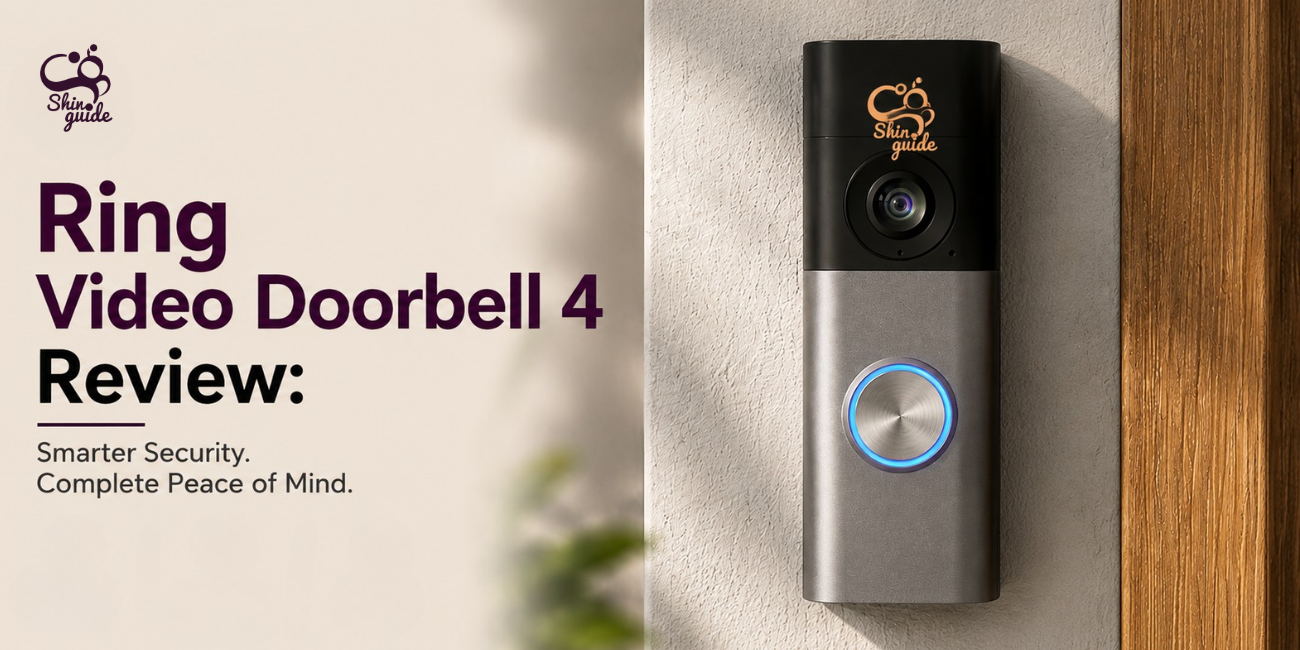
Smart home security has become more practical than ever in 2026, and video doorbells are still one of the easiest ways to upgrade home safety without installing a full surveillance system. That’s exactly why the Ring Video Doorbell Review continues to be one of the most searched smart home topics today. Ring played a major role in popularizing video doorbells by making them simple, affordable and easy to install. Over time, the lineup expanded from basic battery models to advanced versions with better video quality, AI-based detection and deeper smart home integration.
But with stronger competition from brands like Google Nest, Arlo and Eufy, many buyers are now asking a fair question: Is a Ring Video Doorbell still worth buying in 2026?
For most users, yes especially if you want a beginner-friendly smart security system that works without complex setup. However, it’s not perfect. Subscription requirements, Wi-Fi dependency, and occasional notification delays are still important factors to consider. This guide breaks everything down in a simple way so you can decide whether Ring is the right smart security upgrade for your home.
Best Offers Right Now
Ring Video Doorbells generally fall into three main value categories. Entry-level battery models are best for basic home monitoring and simple setups. Mid-range models offer the best balance of features, video quality, and price. Premium Pro models focus on higher resolution video and more advanced AI-based detection features. The best deals usually appear during seasonal sales, holiday promotions, and smart home bundle events.
Why Ring Video Doorbells Became So Popular
Ring became popular because it solved a very simple problem: knowing who is at your door even when you’re not at home. Instead of relying on traditional doorbells or expensive security systems, Ring combines a camera, motion detection, and smartphone alerts into one easy-to-use device. Modern Ring systems now support live video streaming, motion alerts, two-way communication, AI detection, and integration with Alexa devices. This makes them especially appealing for users who want simple smart security without building a complex system. The biggest reason for Ring’s success is convenience. Once installed, it becomes part of daily routine security without requiring technical knowledge.
Design & Installation
Ring devices follow a clean and minimal design approach. Most models are compact, weather-resistant, and easy to place on front doors in homes or apartments. The installation process is one of its strongest advantages. Battery-powered models are the simplest option. They do not require wiring and can usually be installed in around 10–15 minutes. This makes them ideal for renters or beginners. The only downside is that the battery needs periodic recharging. Hardwired models, on the other hand, provide continuous power and more stable performance. They require existing doorbell wiring or basic installation knowledge, but they reduce maintenance over time.
Best Offer
Battery-powered Ring models are usually the best starting point because they are easier to install and more flexible in placement.
Video Quality & Real-World Performance
Video quality is one of the most important factors in any smart doorbell system. Most standard Ring models offer 1080p HD video, night vision support, and a wide viewing angle. Premium models improve this with higher resolutions, better HDR, and improved low-light performance. In everyday use, daytime video is generally clear enough to identify visitors, monitor packages, and track movement at the entrance. Motion detection is usually responsive, though performance can vary depending on placement and internet strength. Night performance is decent in well-lit areas, but darker entrances may reduce clarity. Premium models perform noticeably better in low-light conditions. Motion detection works well most of the time, but users occasionally report delayed notifications or missed events. These issues are often linked to Wi-Fi quality rather than the device itself.
Smart Features & App Experience
One of Ring’s biggest strengths is its app ecosystem. The Ring app is simple, beginner-friendly, and easy to navigate even for first-time smart home users. Through the app, users can access live video, receive real-time alerts, talk to visitors through two-way audio, and customize motion zones based on their preferences. Alexa integration makes the system even more useful. Users can view live feeds on Echo devices, receive voice notifications, and build simple smart home routines.
Best Offer
Mid-range Ring models tend to offer the best balance because they include improved motion control and better app functionality without premium pricing.
Security Features & AI Capabilities
Modern Ring devices now include AI-based detection features that help reduce unnecessary alerts. These systems can identify people, filter out movement from animals or vehicles, and send more relevant notifications. Some models also include package detection and familiar face recognition, although advanced features usually depend on a subscription plan. Without a subscription, users still get live view and basic alerts, but recorded video history and cloud storage are limited. This subscription dependency remains one of the most debated aspects of Ring products.
Everyday Use & Reliability
In daily life, Ring works as a practical and convenient security tool. It allows users to check their front door remotely, communicate with visitors, and monitor deliveries easily. It is especially useful for apartment entrances, family homes, and users who receive frequent packages. However, performance depends heavily on Wi-Fi strength. Weak internet connections can lead to delayed notifications or reduced video quality. Battery-powered models also require occasional charging, which some users find inconvenient.
Best Offer
Users already using Alexa devices often get more value from Ring because of seamless integration across their smart home setup.
Ring vs Other Smart Doorbells
Ring competes with several strong alternatives, including Google Nest Doorbell, Arlo, and Eufy. Compared to Google Nest, Ring is generally simpler and more beginner-friendly, while Google offers stronger AI-based detection in some cases. Compared to Arlo, Ring is easier to use and more affordable, while Arlo focuses more on premium video quality. Compared to Eufy, Ring offers better ecosystem integration, especially for Alexa users, while Eufy is often preferred by users who want to avoid subscriptions. Overall, Ring sits in the middle not the most advanced, but one of the most balanced options available.
Pricing & Subscription Value
Ring offers entry-level, mid-range, and premium models depending on features and video quality. Entry-level models focus on basic monitoring and affordability. Mid-range models are the most popular because they balance performance, video clarity, and smart features. Premium models add higher resolution video, improved AI detection, and wider viewing angles. The subscription model is important to understand. Without it, users miss out on video history and cloud recording, which limits long-term functionality. While this ongoing cost is a drawback, many users still accept it due to ease of use and ecosystem convenience.
Pros & Cons
| Pros | Cons |
| Easy installation | Subscription required for full features |
| Beginner-friendly app | Heavy Wi-Fi dependency |
| Good everyday video quality | Battery models require charging |
| Strong Alexa integration | Motion alerts can occasionally miss events |
| Wide product range | Privacy concerns for some users |
Who Should Buy a Ring Video Doorbell?
Ring is best suited for users who want simple and reliable smart security without technical complexity. It is ideal for beginners because setup is quick and the app is easy to understand. It also works especially well for users who already use Alexa devices, since integration feels seamless. Ring is also useful for apartments and homes where monitoring entrances and deliveries is a priority. However, it may not be suitable for users who want subscription-free systems, advanced AI security features, or those with weak internet connections.
Final Verdict
So, is the Ring Video Doorbell worth buying in 2026?
For most users, yes. Ring remains one of the most practical and beginner-friendly smart security systems available today. It succeeds because it focuses on simplicity, convenience, and easy integration into daily life. However, it is not perfect. Subscription costs, Wi-Fi dependency, and occasional motion detection inconsistencies are still real limitations. Choose Ring if you want easy smart security, Alexa integration, and quick installation. Consider alternatives if you prefer subscription-free storage or more advanced AI features. The key takeaway is simple: Ring remains one of the most balanced and accessible smart video doorbell systems in 2026.
Best Offers Reminder
Before buying, focus on your actual usage rather than just premium features. Entry models are best for simple monitoring, mid-range models offer the best overall value, and Pro models are better for users who want advanced video quality and AI features. Seasonal sales and smart home bundles usually provide the best savings opportunities.
FAQs
Is Ring Video Doorbell worth it in 2026?
Yes, it remains one of the easiest and most practical smart security upgrades for homes and apartments.
Do I need a subscription for Ring?
No, but subscriptions are required for video history and advanced features.
Can Ring work without Wi-Fi?
No, a stable internet connection is required for full functionality.
Which Ring model is best for most users?
Mid-range models generally offer the best balance of features and price.
Does Ring work with Alexa?
Yes, Ring integrates deeply with Alexa devices for alerts and live viewing.
How long does the battery last?
Battery life varies depending on usage but typically lasts several weeks to a few months.
Is Ring better than Google Nest?
It depends. Ring is easier and more Alexa-friendly, while Google Nest offers stronger AI in some cases.