Ring vs Arlo: Best Smart Home Security System in 2026?
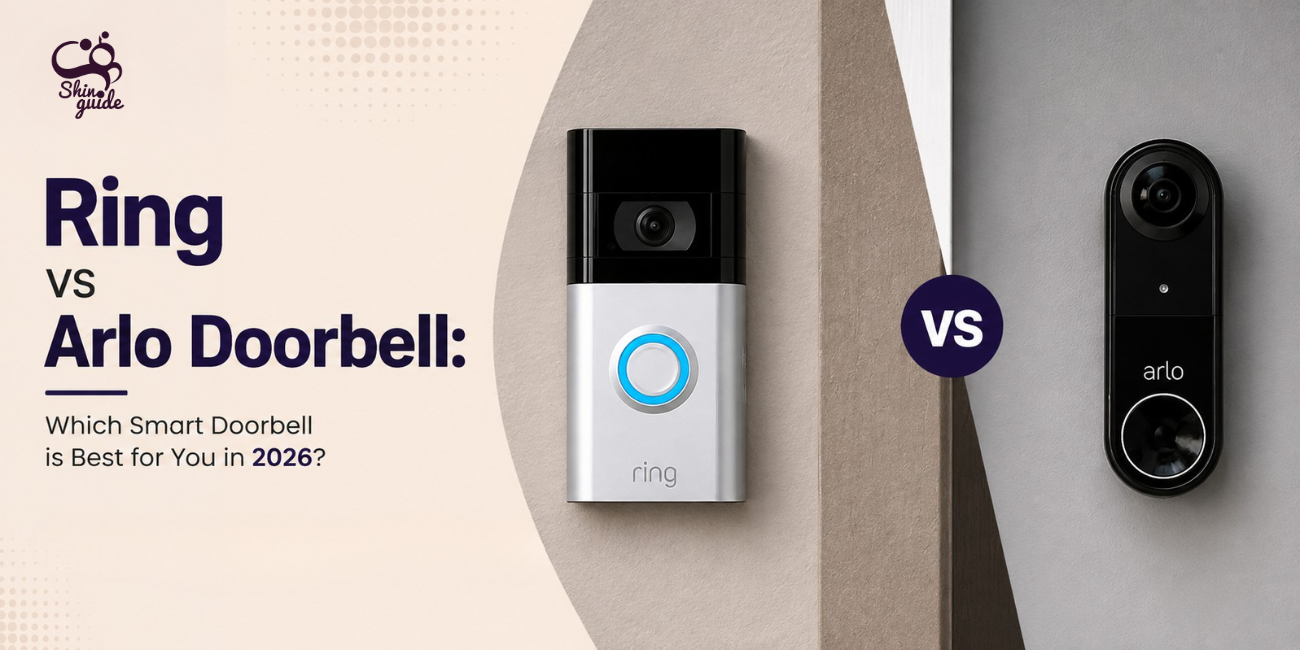
Choosing between Ring and Arlo Technologies in 2026 isn’t as simple as picking a camera brand. Both are leaders in the smart home security space, but they follow very different strategies. Ring focuses on ecosystem integration and ease of use, while Arlo prioritizes video quality and advanced detection. So the real question is: which one actually fits your home better?
The answer depends on what matters most to you simple setup and smart home connectivity, or sharper video and more advanced security intelligence.
Best Offers Right Now
Before comparing features, it’s important to understand where the best value usually sits. Ring often offers better entry-level pricing, especially on doorbell bundles and starter kits. These deals are common during seasonal sales and Amazon promotions. Arlo products, on the other hand, tend to be priced higher upfront but sometimes come with premium bundles that include multiple cameras or extended trial subscriptions. In simple terms, Ring is usually more budget-friendly to start, while Arlo is more premium from day one.
Overview of Ring and Arlo
Ring is owned by Amazon and built around the idea of a fully connected smart home ecosystem. It is designed to integrate seamlessly with Alexa devices, making it especially appealing for users already inside the Amazon smart home environment. Arlo is an independent brand that focuses more on camera innovation and video performance. Instead of building a large ecosystem, Arlo concentrates on delivering higher-resolution cameras and smarter detection features. Both are strong in 2026, but their priorities are clearly different.
Product Range and Ecosystem
Ring offers a broader smart home ecosystem. Beyond cameras and doorbells, it also includes alarm systems, smart lighting, and integrated home security devices. Everything connects through a single app, which makes it easy for users who want a unified setup. Arlo’s product lineup is more focused. It mainly includes indoor and outdoor cameras, video doorbells, and floodlight cameras. While it doesn’t offer as wide an ecosystem as Ring, it does concentrate heavily on camera performance and monitoring quality. If you want a full smart home setup, Ring feels more complete. If you only care about security cameras, Arlo feels more specialized.
Video Quality and Performance
Video quality is one of the biggest differences between the two brands. Ring typically offers 1080p to 2K resolution in most models, with some higher-end versions reaching better clarity and improved HDR performance. In real-world use, Ring provides solid daytime footage and reliable motion alerts that are good enough for most households. Arlo pushes further into 2K and 4K video quality. The difference becomes more noticeable in low-light environments and zoomed-in footage. Arlo generally delivers sharper detail, better dynamic range, and improved night vision in premium models. In simple terms, Ring is good enough for everyday security, while Arlo is better if image clarity is your top priority.
Smart Features and AI Capabilities
Ring focuses on convenience and ecosystem integration. It includes motion zones, person detection, package alerts, and in some systems, familiar face recognition. Its biggest strength is how smoothly it works with Alexa devices and the wider Amazon ecosystem. Arlo focuses more on smart detection accuracy. It uses AI-based filtering to distinguish between people, vehicles, and animals more precisely. This reduces unnecessary alerts and improves notification relevance. Ring is more about ease of use and smart home integration. Arlo is more about precision and smarter filtering.
Installation and Ease of Use
Ring is designed with beginners in mind. Most devices can be installed quickly using battery-powered or wired options, and setup is usually straightforward through the Ring app. Arlo is also wireless and fairly easy to install, but it can require slightly more configuration to unlock all advanced features, especially AI detection and cloud settings. For most users, Ring feels more beginner-friendly, while Arlo still remains manageable but slightly more technical.
Subscription and Pricing
Both Ring and Arlo use subscription-based models, but their pricing structure feels different. Ring generally has a lower upfront cost, but advanced features like video history and cloud storage require a subscription plan. Without it, functionality becomes limited. Arlo usually has a higher upfront price and subscriptions are also required for AI detection features, cloud recording, and extended storage. Overall, Arlo tends to be more expensive over time, while Ring is more affordable at entry level.
Reliability and Everyday Use
In daily use, both systems perform well, but their behavior differs slightly. Ring is fast and responsive, especially when connected to strong Wi-Fi. Notifications usually arrive quickly, although some users report occasional delays or inconsistent motion detection depending on setup and network strength. Arlo tends to deliver more consistent detection accuracy and better video clarity. However, some users report that its app performance can feel slightly slower compared to Ring. So in practical terms, Ring feels faster and more responsive, while Arlo feels more precise.
Pros and Cons
| Ring Pros | Ring Cons |
| Strong smart home and Alexa integration | Many key features require a subscription |
| Easy installation and beginner-friendly setup | Video quality is not the best in its category |
| Lower entry cost compared to many competitors | Ongoing subscription costs can add up |
| Wide range of compatible devices and accessories | Performance depends heavily on Wi-Fi quality |
| User-friendly app with real-time alerts | Advanced features are limited without a paid plan |
| Arlo Pros | Arlo Cons |
| Superior video quality with sharp image detail | Higher upfront cost than Ring |
| Advanced AI-based motion and object detection | Smaller smart home ecosystem |
| Strong wireless performance and flexible placement | Advanced features often require a subscription |
| Better security-focused features for monitoring | Less beginner-friendly setup in some cases |
| Excellent image quality in various lighting conditions | Higher total ownership cost over time |
Final Verdict
So, which is better in 2026 Ring or Arlo?
Ring is the better overall smart home system for most users. It is easier to use, more affordable to start, and integrates smoothly into a complete smart home setup.
Arlo is better if your main priority is camera performance. It delivers sharper video quality, smarter detection, and more advanced security-focused features.
Simple Buying Guide
- If you want a full smart home ecosystem, Ring is the better choice.
- If you want the best video quality and detection accuracy, Arlo is the better option.
- If you want easy setup and lower cost, Ring is more suitable.
- If you want premium-level security monitoring, Arlo stands out.
FAQs
Which is better, Ring or Arlo?
Ring is better for smart home integration and ease of use, while Arlo is better for video quality and advanced detection.
Do both require subscriptions?
Yes, both Ring and Arlo require subscriptions for cloud storage and advanced features.
Which is easier for beginners?
Ring is generally easier to install and set up.
Which has better video quality?
Arlo usually provides better video quality, especially in higher-end models.
Which is more affordable?
Ring is typically more affordable at entry level compared to Arlo.